The Charter Quote, Interrogated: Ten Questions UK Buyers Should Ask in 2026
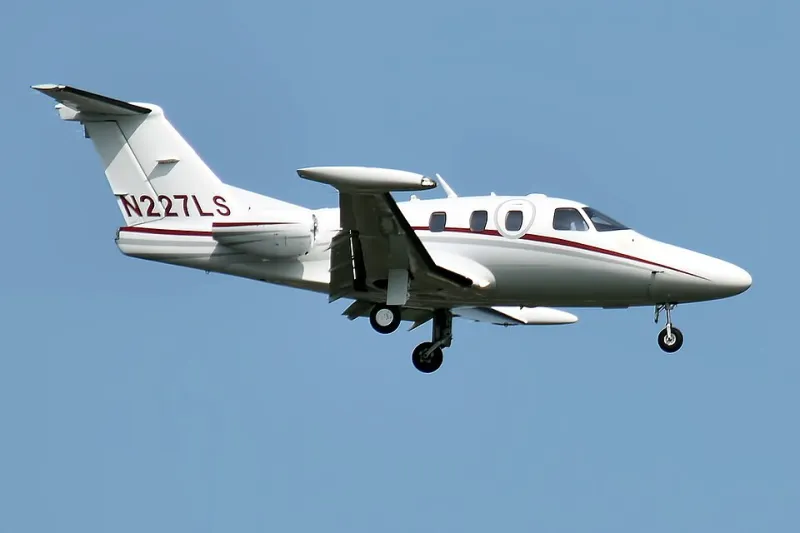
Photo: Anna Zvereva from Tallinn, Estonia, CC BY-SA 2.0, via Wikimedia Commons
A charter quotation is a commercial document, not a promise of a seamless day. In a crowded UK market, two quotes for the same city pair can differ by thousands of pounds and still conceal very different levels of obligation. The headline price is merely the first data point. What follows is a disciplined set of questions that EuroJet would encourage any UK buyer to put to a broker or operator before signing in 2026.
1. Who holds the air operator certificate and the insurance?
Ask for the name of the company that will actually fly the aircraft, not simply the brand that sold the seat. In the UK, the operator should hold a valid air operator certificate from the Civil Aviation Authority, and the quotation should confirm the aircraft and crew are covered by current insurance. A broker may arrange the flight, but the AOC holder carries the operational and safety responsibility. Clarity here is not bureaucracy; it is the foundation of accountability if plans change.
2. Is the aircraft identified, and what substitution rights apply?
A serious quote names the aircraft type and, where possible, the tail number. It should also state what happens if that aircraft becomes unavailable. Substitution clauses are common, but they should not be open-ended. Ask whether a like-for-like replacement is guaranteed, whether a smaller or older aircraft can appear, and what compensation or rebooking rights follow. The difference between a specified aircraft and a vague category can be the difference between the cabin you booked and the one you board.
3. Are crew duty limits and positioning costs fully reflected?
Crew duty rules are fixed, not negotiable. A late departure, an early start or a multi-sector day can require an additional crew member or an overnight stop. The quote should show whether positioning, ferry flights and crew expenses are included. A price that looks competitive may assume a crew already in position at the departure airport. If the aircraft must be moved first, that cost has to be recovered somewhere. Ask where it sits in the arithmetic.
4. Which airport charges, handling fees and slots are included?
Private aviation does not escape airport economics. Landing fees, parking, handling, out-of-hours charges and slot coordination can all appear on the final invoice. The quotation should distinguish between fees included in the charter price and those payable locally. At some UK airfields, handling is bundled; at others it is itemised. Ask for a full breakdown for every planned stop, including any onward or return legs. The aim is a single, comprehensible all-in figure rather than a pleasant headline followed by supplements.
5. How is de-icing charged, and is there a cap?
Winter flying from the UK brings a charge that is difficult to forecast and easy to overlook. De-icing is often billed by fluid used, time taken or a fixed call-out. A quote should state the basis, the expected range and whether any cap applies. On a cold morning at Luton or Farnborough, the de-icing queue can also affect departure time. Ask who bears the cost of delay caused by de-icing and whether the aircraft is protected for a reasonable window. This is a small line item until it is not.
6. What are the cancellation and change terms?
Charter contracts vary sharply. Some permit changes with modest notice; others treat any alteration as a cancellation. Ask for the notice periods, the percentage retained at each stage and the treatment of weather-related cancellation. Distinguish between a passenger-initiated cancellation and one forced by the operator or by air traffic control. The latter may offer rebooking or credit rather than a refund. Read the clause as a timetable of risk, not as boilerplate.
7. What baggage and cabin load assumptions underpin the price?
Private aircraft are weight-sensitive. A quote may assume a certain number of passengers, a standard baggage allowance and no unusual equipment. Golf clubs, skis, pushchairs, musical instruments and large cases all consume space and payload. Ask for the assumed baggage volume and weight, the aircraft's practical limits and the cost of a secondary bag flight if the party exceeds them. For a ski trip or a family holiday, this question is as commercial as any fee line.
8. Which taxes, levies and passenger charges are extra?
Air Passenger Duty, VAT where applicable, airport passenger charges and local levies can sit outside the charter price. The quote should say plainly which taxes are included, which are estimated and which are payable on departure. UK buyers should also ask whether the price is quoted gross or net of any recoverable VAT. A professional operator will not resent the question. An evasive answer is itself useful information.
9. What recovery is promised if weather or ATC disrupts the plan?
Ask what the operator will do if fog closes the arrival airport, if gales reduce runway capacity or if air traffic control imposes flow restrictions. Will the crew wait, reposition or rebook? Is there a duty office reachable on the day? Does the quote include any contingency for an overnight stop or an alternate airfield? No operator can promise clear skies, but a credible one can describe its escalation process. The answer reveals whether you are buying an aircraft or a service.
10. What is the payment schedule and what does the contract actually say?
Finally, establish the deposit, balance date and accepted payment methods. Confirm that the written charter agreement, not the email quotation, contains the operating terms. Check the identity of the contracting party, the governing law and the complaints procedure. A well-run charter is a controlled transaction from quote to invoice. If the paperwork is thin before you commit, it is unlikely to become fuller after a delay.
None of these questions is exotic. Together they convert a headline price into a comparable proposition. The cheapest quote may be the right one, but only once it has survived scrutiny of the operator, the aircraft, the fees and the fallback. In 2026, with capacity tight and weather unpredictable, the buyer who asks plainly is not being difficult. They are simply refusing to pay for guesswork.