The Quiet Formalities: Border Paperwork on a UK Private Charter, Explained
Private aviation compresses the journey, but it does not erase the border. For a UK charter, the formalities are largely invisible when they work: a manifest submitted, a General Aviation Report filed, a handling agent at the other end expecting the aircraft. When they fail, they tend to fail at the worst moment — at the bottom of the steps, with a passport in hand and a schedule slipping. The difference is rarely the aircraft. It is the paper trail.
The General Aviation Report, Demystified
At the centre of every international private flight to or from the UK is the General Aviation Report. The GAR is the document that tells Border Force who is on board, where the aircraft has come from, where it is going and when. It is not a charter contract or a handling form, though it touches both. The operator usually files it, often with the handling agent acting as intermediary. The filing window is fixed, and the report must be accurate: a misspelt surname or a missing date of birth can turn a quiet arrival into a conversation.
Ask who is responsible for the GAR and when it will be submitted. Ask what happens if the departure time moves by two hours. The answer should be a procedure, not a reassurance.
Customs Notification and What It Covers
Customs is a separate thread. For most private flights, the question is not whether customs exists but whether attendance has been arranged. At some UK airfields, Border Force and customs officers are not permanently present; a request must be made, sometimes with notice and a fee. The handler normally manages this. The passenger's responsibility is narrower but real: declare goods, cash above the threshold, and any merchandise in baggage. A case of wine bought for a dinner is one thing; a case bought for resale is another.
Ask whether customs attendance is confirmed, not merely requested. Ask who pays if the flight arrives outside standard hours.
The Manifest Is a Border Document
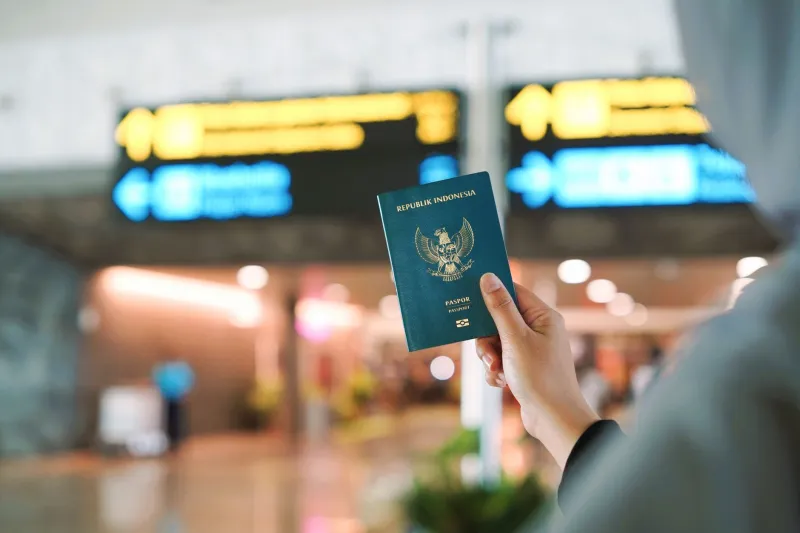
The passenger manifest is often treated as an administrative afterthought. It is not. Full names as they appear on the passport, dates of birth, nationalities, passport numbers and expiry dates are the minimum. Middle names omitted at booking can become a problem at the steps. Changes made close to departure may not reach the border systems in time.
Provide the data once, correctly, and check the manifest before it is filed. The operator should send a copy for verification. If they do not, ask.
The Return Leg and the Checks People Forget
The outbound leg gets the attention; the return leg gets the surprises. A UK charter to a European city may involve European entry checks on arrival and UK Border Force checks on return. For guests who are not UK residents, the return may require a visa or an Electronic Travel Authorisation. For travel to Europe, the Entry/Exit System has introduced biometric registration at many airports; private terminals are not exempt, though they may be quieter. The handler should confirm what the airport requires and how much time to allow.
Pets, firearms and large amounts of cash each carry their own paperwork. These are not impossible, but they are not improvised.
Where Delays Genuinely Arise
Delays are rarely caused by the aircraft. They cluster around incomplete data, late changes, unconfirmed customs attendance and return-leg documentation that was never checked. A flight that slips from morning to afternoon can fall outside a customs window. A passenger added at the last minute can miss the manifest cut-off. A non-UK guest who assumed an authorisation was unnecessary can be held at arrival.
Questions to Ask Before Booking
- Who files the GAR, and when will it be submitted?
- Is customs attendance confirmed at both ends, not just requested?
- What is the cut-off for passenger changes, and how are they transmitted?
- How will non-UK passports and any required authorisations be handled?
- What does the return leg require for each passenger, including transit stops?
- Who is the point of contact if the flight is delayed or diverted?
The formalities can be quiet, but they are not optional. A good operator and handler make the process feel like nothing at all. The buyer's task is to ask enough questions that nothing is left to chance.